Tower Hamlets council rules for communal garden clearance Aldgate: what residents, landlords and managing agents need to know
If you are dealing with a shared courtyard, rear garden, or communal green space in Aldgate, the rules can feel a bit tangled. One neighbour wants the ivy cut back, another is worried about fly-tipping, and someone else is asking who is actually responsible. That is exactly where Tower Hamlets council rules for communal garden clearance Aldgate become useful: they help you understand what can be cleared, what needs permission, and what should be handled carefully to avoid complaints or penalties.
This guide breaks the subject down in plain English. You will learn how communal garden clearance usually works in Tower Hamlets, what to check before starting, how to avoid common mistakes, and when it makes sense to use a professional service. We will also cover practical compliance points, because in shared spaces the details matter more than people think. Truth be told, that overgrown corner by the bins can cause more drama than a blocked road in winter.
Quick takeaway: in a communal garden, clearance is rarely just "tidy it up and carry on". You need to think about ownership, access, waste handling, neighbour agreement, and whether any plants, trees, or structures need extra care.
Why Tower Hamlets council rules for communal garden clearance Aldgate matters
Communal gardens sit in a grey area for many residents. They are shared, but they are not always clearly understood. In practice, that means the responsibility for maintenance, clearance, waste removal, and safety may sit with a freeholder, managing agent, housing association, residents' group, or sometimes the leaseholders themselves. If nobody checks the setup properly, the job can stall for weeks.
Tower Hamlets council rules for communal garden clearance Aldgate matter because shared outdoor spaces can affect more than appearance. Overgrown areas may attract pests, block access routes, hide broken glass, or make it harder for residents to use the space safely. A neglected communal garden also tends to invite disagreement. One person sees "wildlife habitat"; another sees damp leaves, nettles, and an argument waiting to happen. Both views can have some truth in them.
The council angle is important because waste from clearance cannot just be dumped anywhere, and some work may need to be managed in a way that avoids nuisance to neighbours or misuse of public land. Even where the garden itself is private communal land, the handling of green waste, bulky waste, and tree or hedge cuttings still needs sensible planning. For many residents, this is less about bureaucracy and more about keeping the place pleasant enough to actually use on a grey Tuesday evening.
If your communal space also borders walls, decking, lawns, or planted areas, it is worth considering broader upkeep rather than one-off clearance alone. Services such as garden maintenance, lawn mowing, and hedge trimming often fit better than a single heavy clear-out, especially if you want the space to stay manageable.
How Tower Hamlets council rules for communal garden clearance Aldgate works
There is no single universal "communal garden clearance rulebook" that applies to every property in Aldgate. Instead, you usually need to consider several layers at once: property responsibility, lease or tenancy conditions, waste disposal rules, access arrangements, and any local expectations around nuisance or safety. A bit annoying, yes, but manageable once you break it down.
Start with the ownership and responsibility question. Who is allowed to organise the work? Who pays? Who has to give permission? If the land is part of a block of flats, the managing agent may need to approve contractors and schedule access. If it is a housing association property, their process may be more formal. If it is a smaller private setup, residents may be able to agree informally, though it is still wise to keep a written record.
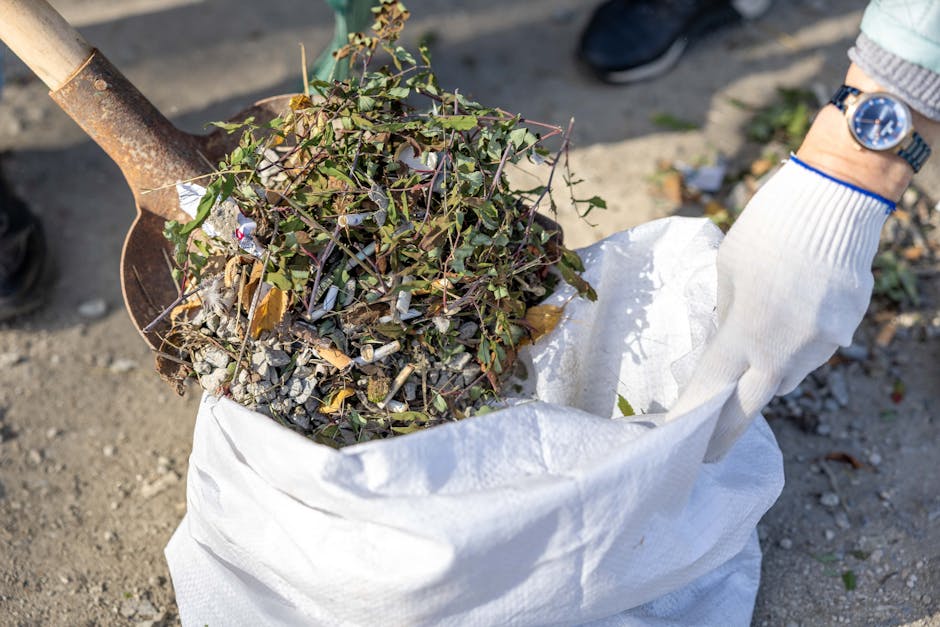
Next comes the clearance itself. In a communal garden, the work might include removing:
- fallen branches and leaf build-up
- overgrown shrubs or self-seeded growth
- dead plants and weeds
- broken planters, old furniture, or debris
- light tree waste from pruning or minor removal
Some jobs are simple tidy-ups. Others are closer to full garden clearance, especially if the space has been neglected for months. A service such as garden clearance is often more suitable when the area needs a proper reset rather than routine upkeep.
Finally, waste must be dealt with responsibly. In communal settings this is the bit people often underestimate. You can clear a garden very efficiently and still cause problems if bags are left in a shared corridor, green waste is stacked against a fence, or the contractor has no clear plan for removal. Good planning keeps the whole process calm. Calm is underrated.
Key benefits and practical advantages
There is a good reason well-managed communal gardens feel different. They are easier to use, easier to defend against anti-social dumping, and easier to maintain over time. One big clearance can also make smaller ongoing jobs much more effective. Once you can actually see the borders and access paths again, the space starts behaving like a garden instead of a storage area for forgotten items.
The main benefits are straightforward:
- Better safety: fewer trip hazards, less hidden debris, and clearer access routes.
- Improved appearance: a tidy shared garden lifts the feel of the whole building.
- Reduced conflict: clear expectations about access and responsibility help avoid neighbour disputes.
- More efficient upkeep: once a space is cleared properly, routine maintenance becomes cheaper and easier.
- Better waste management: planned clearance reduces the risk of fly-tipping or messy overflow bins.
There is also a practical financial angle. Shared outdoor areas that are left to deteriorate can become more expensive to restore later. A modest clearance and maintenance plan is usually easier to manage than a major rescue job. That does not mean every garden needs weekly attention, of course. But periodic maintenance almost always beats crisis gardening.
For many blocks, the most sensible route is a blend of clearance and upkeep. After the initial tidy-up, you may want a lighter ongoing service such as routine garden maintenance to keep weeds down and borders under control. That is often where the real value lies.
Who this is for and when it makes sense
This topic is relevant if you are any of the following:
- a leaseholder trying to organise a tidy-up with neighbours
- a landlord or freeholder responsible for a shared external area
- a managing agent scheduling works for a block in Aldgate
- a housing officer dealing with resident complaints about a neglected communal garden
- a residents' association trying to improve a courtyard or shared lawn
It also makes sense when the garden has become difficult to maintain with everyday tools. For example, if the grass has grown too long, the hedges are swallowing the path, or dead plant material is piling up after a wet spell, a professional clearance can save time and reduce friction. In spring, this often shows up suddenly; in late autumn, it is usually leaf fall and damp growth that tip the balance.
Some people only need a once-off clearance after a tenancy change, a long period of neglect, or a refurbishment. Others need ongoing support because the communal space is being used all the time. If you have decking, mixed planting, or awkward edges, a broader service mix may help. It may be useful to look at landscaping or landscape gardening where the space needs more than a quick tidy.
Step-by-step guidance
If you want to approach communal garden clearance sensibly, follow this sequence. It avoids a lot of avoidable mess.
- Confirm who controls the space. Check the lease, management agreement, or resident policy so you know who can approve work.
- Walk the garden first. Note the overgrowth, hazards, storage issues, and anything that looks damaged.
- Separate clearance from improvement. A clearance job removes unwanted material; it is not the same as redesigning the garden.
- Identify waste streams. Green waste, wood, soil, fixtures, and general rubbish may need different handling.
- Check access and timing. Communal spaces often need a specific booking window so residents are not inconvenienced.
- Agree communication. Let residents know what will happen, when, and whether any areas should be kept clear.
- Carry out the clearance. Remove waste safely, avoid blocking entrances, and protect surfaces where needed.
- Do a final sweep. Check for missed debris, exposed roots, slippery patches, or anything left behind.
- Set a maintenance plan. If the area is likely to grow back quickly, build a follow-up schedule now rather than later.
A small but useful point: if the space contains shrubs near walls or older trees with overhanging branches, do not rush into cutting without checking what is actually safe and permissible. In shared settings, that can become awkward very fast. If tree work is needed, the more suitable route may be tree lopping and removal rather than general clearance.
Expert tips for better results
From experience, the best communal garden clearances are the ones that are planned like a shared project, not treated like a one-off chore. A few practical habits make a big difference.
- Use a quick site note before work begins. Take a few photos and write down what is included. It helps if anyone questions what was removed later.
- Keep residents informed in plain English. Nobody wants a notice that sounds like a planning application. Say what is being done, what areas will be unavailable, and how long it should take.
- Prioritise access routes first. Paths, gates, bin access, and emergency routes should come before decorative areas.
- Protect what is staying. When a garden is messy, it is easy to accidentally damage healthy plants or hidden edging.
- Think one season ahead. What looks tidy today may be overrun again by next month if you do not address the underlying growth pattern.
Another useful tip is to match the intensity of the service to the condition of the space. A heavily neglected communal garden may need a deeper reset, while a relatively tidy one might only need lighter work and follow-up care. If you are uncertain, start with a careful assessment rather than assuming more work is always better. Sometimes it is. Not always.
For properties with mixed surfaces or design features, combining clearance with repairs or upgrades can make sense. For example, if the area includes tired boards or a slippery sitting space, you might eventually explore decking services alongside the garden work so the whole area feels coherent, not patched together.
Common mistakes to avoid
The most common mistake is assuming communal garden clearance is the same as clearing a private back garden. It is not. Shared use changes the planning, the permissions, and the people you need to keep happy.
Watch out for these pitfalls:
- Starting without agreement: if residents or the managing agent have not approved the work, you may end up undoing it or facing complaints.
- Ignoring waste responsibility: leaving bags in common areas or using the wrong disposal method can create problems quickly.
- Cutting too aggressively: removing the wrong plants or over-pruning shrubs can leave the space looking bare and unhealthy.
- Forgetting access: if skip or vehicle access is awkward, plan it before the day of the job.
- Skipping follow-up: a one-off clear-up without maintenance often leads to the same mess returning.
There is also the "we'll sort it later" trap. In communal gardens, later often turns into next month, then next season, then a complaint from the flat that faces the courtyard. You know the story. A little structure goes a long way.
Tools, resources and recommendations
For smaller communal spaces, a straightforward toolkit may be enough: pruning shears, loppers, rakes, sturdy bags, gloves, and basic hand tools. For heavier growth, bramble, or compacted waste, the work becomes more demanding and time-consuming. A professional crew will usually have the right equipment for cutting, loading, and removal without disrupting the whole block.
If you are planning a larger project, it helps to separate the work into categories:
- Green clearance: weeds, clippings, dead plants, leaves, and cutbacks
- Hard waste: damaged pots, broken furniture, old fixtures, and rubble
- Structural work: fencing, edging, timber, or surfaces that need attention
- Ongoing care: mowing, edging, hedge trimming, and seasonal tidy-ups
For ongoing upkeep, a combined approach is often the smartest. Routine mowing, tidy edging, and hedge work can keep a communal garden under control without needing major intervention every time. That is where lawn care and hedge trimming sit neatly alongside a clearance plan.
If you want to understand the wider service range before deciding, the services overview page is a useful starting point. It helps you compare one-off tidy-ups against longer-term care without guessing.
Law, compliance, standards, or best practice
Because communal garden clearance sits close to property management, waste handling, and safety, it pays to be careful. I will keep this plain: the exact legal position depends on ownership, tenancy or lease terms, the nature of the work, and whether anything protected or regulated is involved. So the safest approach is to treat the space as a shared asset with responsibilities attached, not just an outdoor patch that can be cleared on instinct.
Best practice in this context usually includes:
- checking permissions before work begins
- keeping access routes clear
- managing waste responsibly
- avoiding damage to shared structures or neighbouring plots
- using insured, competent contractors for more involved work
If the garden contains mature trees, climbing roots, or potentially unsafe branches, additional caution is sensible. Tree work can affect neighbours, shared boundaries, and long-term plant health. If in doubt, keep the scope narrow until the site has been assessed properly. In a block of flats, one careless cut can cause three emails and a very long group chat.
Where safety, insurance, and contractor reliability matter, it is worth checking how a provider approaches those basics. Information such as insurance and safety and the health and safety policy can help you judge whether a company takes risk management seriously.
Options, methods, or comparison table
Not every communal garden needs the same solution. The right method depends on the amount of growth, resident expectations, and how quickly the space needs to look presentable again.
| Approach | Best for | Strengths | Limitations |
|---|---|---|---|
| Light tidy-up | Small seasonal mess, leaves, minor weeds | Quick, low disruption, keeps costs down | Not enough for heavy overgrowth or dumped items |
| Full garden clearance | Neglected communal spaces, mixed waste, dense growth | Resets the area, removes clutter, improves access | May need more time and careful coordination |
| Clearance plus maintenance | Shared gardens that need long-term control | Best for keeping standards consistent | Requires ongoing budget and scheduling |
| Clearance plus redesign | Spaces needing a better layout or usability | Can transform the whole area | More planning, usually more cost, and more stakeholder input |
In many Aldgate properties, the most practical option is a clearance followed by maintenance. It gives you the visual reset first, then prevents the garden from slipping back into chaos. That middle ground is often the sweet spot, to be honest.
Case study or real-world example
Here is a realistic example based on a common situation. A small block in Aldgate has a shared rear garden that was once pleasant but has gradually become messy. Leaves have built up, two shrubs have flopped across the path, and a pile of old plant pots has been sitting by the fence for months. Residents keep meaning to sort it, but nobody wants to be the person who starts an argument.
The sensible approach was simple. First, the responsible party checked who controlled access and confirmed the work scope. Then the garden was walked through with a short list: remove rubbish, cut back growth blocking the path, clear leaf litter, and leave healthy planting in place. The team worked through the area in sections so residents could still use the building without feeling like the garden had turned into a building site. By the end, the space was usable again rather than merely "less bad", which is a small but important difference.
What made that example work was not just the clearance itself. It was the planning around it. The team did not overcut. They did not leave waste in the corner for someone else to deal with. And they did not confuse a tidy-up with a redesign. Simple, but effective. Sometimes that is the whole game.
Practical checklist
Use this checklist before arranging communal garden clearance in Aldgate:
- Confirm who has authority to approve the work.
- Check lease, tenancy, or management rules for the shared garden.
- Identify whether the job is a tidy-up or a full clearance.
- List all waste types that need removing.
- Check for trees, hedges, or structures that need special care.
- Agree the timing and access arrangements with residents.
- Make sure waste disposal is included in the plan.
- Keep a simple record of what was agreed and what was done.
- Decide whether ongoing maintenance is needed after clearance.
- Review safety, insurance, and any contractor terms before the work starts.
If you can tick most of those boxes, you are in a good place. If not, pause and sort the admin first. It saves hassle later.
Conclusion
Tower Hamlets council rules for communal garden clearance Aldgate are really about doing the job in a way that is responsible, organised, and fair to everyone who uses the space. Once you understand who controls the garden, how waste should be handled, and what level of work is actually needed, the whole process becomes much easier to manage.
The biggest win is not just a tidier garden, though that helps. It is a communal space that feels cared for, safer to use, and easier to maintain month after month. That is a better outcome for residents, landlords, and managing agents alike. And, let's face it, it makes the building feel more settled too.
Get a free quote today and see how much you can save.
If you are planning a one-off clearance or want a longer-term maintenance plan for a shared outdoor space, the next step is to get the details clear and the scope right. A good job in a communal garden should leave things calmer, cleaner, and a bit more human.
Frequently Asked Questions
Do I need permission before clearing a communal garden in Aldgate?
Usually, yes. In communal settings, the space is shared, so you should confirm who has authority to approve the work. That may be a managing agent, freeholder, landlord, housing association, or residents' group.
What counts as communal garden clearance?
It normally includes removing weeds, dead growth, leaves, fallen branches, litter, and unwanted items from a shared outdoor area. In larger jobs, it can also include overgrown shrubs, light tree waste, and broken garden debris.
Is communal garden clearance the same as garden maintenance?
No. Clearance is more of a reset, while maintenance is about keeping the garden under control after it has been tidied. Many properties need both at different times.
What should be done with the waste from a communal garden clearance?
Waste should be removed responsibly and handled according to the type of material. Green waste, hard waste, and mixed rubbish may need different treatment. Leaving it in shared areas is rarely a good idea.
Can a tenant organise communal garden clearance?
Sometimes, but only if they have the right to do so or have approval from the person responsible for the property. In shared buildings, it is best to check first rather than assume.
How often should a communal garden be cleared?
It depends on the size of the space and how quickly it grows back. Some gardens need a seasonal tidy-up, while others need more regular attention to stay usable.
What if the garden has overgrown hedges or small trees?
That can move the job beyond simple clearance. Hedges and trees may need more careful handling, especially in shared spaces. In some cases, specialist work is more appropriate than a general tidy-up.
Can communal garden clearance help stop fly-tipping?
Yes, often it can. A neat, well-managed space tends to discourage dumping and makes it easier to spot new problems quickly. It is not a magic fix, but it helps.
How do I keep residents happy during the work?
Tell them what is happening, when it will happen, and which areas will be affected. Clear communication avoids a lot of frustration, especially where access is tight.
What is the difference between clearance and landscaping?
Clearance removes unwanted growth and debris. Landscaping changes the layout, structure, or design of the space. If the area needs more than a tidy-up, landscaping may be the next step.
Is it better to clear the garden once or arrange ongoing maintenance?
For most communal spaces, ongoing maintenance is the smarter choice after an initial clearance. It keeps the garden manageable and reduces the chance of another big build-up.
Where can I find more information about service options?
You can review the available work types on the services overview page and compare them with the condition of your shared garden. That is usually the easiest way to decide what makes sense next.