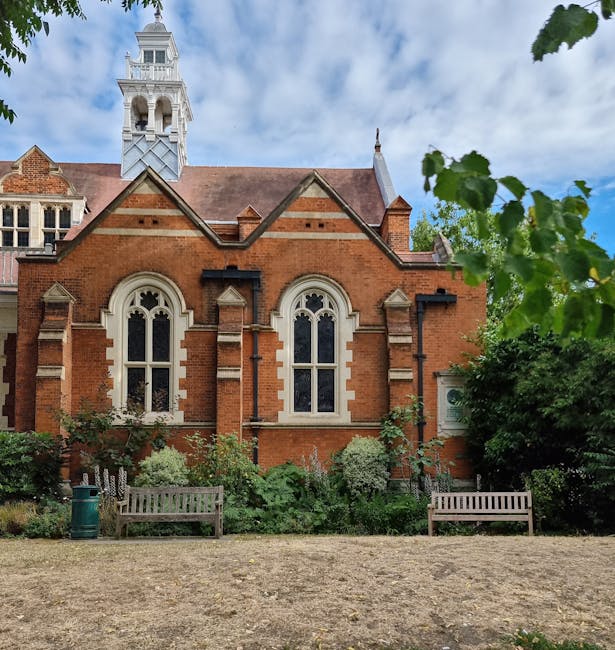
St Botolphs Church Front Garden Case Study Gardeners Aldgate
If you are looking into St Botolphs Church front garden case study gardeners Aldgate, you are probably after something more specific than a general gardening service page. You want to know what a careful, local approach looks like in a small but visible public-facing space, how gardeners think through the work, and what good results actually depend on. That is fair enough. Front gardens attached to churches, especially in busy parts of Aldgate, tend to sit right at the meeting point of heritage, foot traffic, weather exposure, and constant public visibility.
This guide breaks down the practical side of a church front garden case study in plain English. We will look at why the space matters, how a maintenance plan is usually built, what benefits you can expect, where problems tend to appear, and how to judge whether a gardener or grounds team is the right fit. Along the way, you will also find a comparison of common maintenance approaches, a checklist, and a realistic example of how a front garden can be managed without making it feel overworked or oddly sterile. Let's face it, a good front garden should look cared for, not bullied into submission.
For readers exploring wider service options, it can also help to review the full overview of gardening and maintenance services, along with the company's background and local approach, especially if you are comparing providers for a site with regular public visibility.
Table of Contents
- Why St Botolphs Church front garden case study gardeners Aldgate Matters
- How St Botolphs Church front garden case study gardeners Aldgate Works
- Key Benefits and Practical Advantages
- Who This Is For and When It Makes Sense
- Step-by-Step Guidance
- Expert Tips for Better Results
- Common Mistakes to Avoid
- Tools, Resources and Recommendations
- Law, Compliance, Standards, or Best Practice
- Options, Methods, or Comparison Table
- Case Study or Real-World Example
- Practical Checklist
- Conclusion
- Frequently Asked Questions
Why St Botolphs Church front garden case study gardeners Aldgate Matters
A church front garden is not just decorative. It sets the tone before anyone steps through the door. In a place like Aldgate, where pavements can be busy and buildings carry a lot of visual weight, the frontage becomes part of the church's welcome. The planting, edges, path lines, and seasonal tidiness all influence how people experience the building from the street.
That is why a St Botolphs Church front garden case study matters. It gives you a way to think about the space as a living, working part of the site rather than a one-off tidy-up. The best gardeners look at how the front garden behaves through the year. What gets shaded? Where does rain pool? Which plants survive the winter wind? Where do leaves gather after a blustery week? Those little questions decide whether the space looks calm and cared for, or slightly forgotten by Thursday morning.
There is also a trust element. A church frontage can receive regular footfall from congregants, visitors, passers-by, and event attendees. If the garden is managed well, it signals order, respect, and attention to detail. If it is neglected, the whole site can feel tired, even if the building itself is beautiful. Truth be told, people notice these things faster than you might expect.
From a local services point of view, case study thinking helps bridge the gap between general gardening and site-specific maintenance. Not every garden wants the same treatment, and not every team understands what public-facing planting needs in a central London setting. A good local provider should be able to explain methods clearly, outline timing, and show how they handle access, waste, and safety. If you are comparing providers, the pricing and quotes information can help you understand how estimates are usually framed, while the insurance and safety approach is worth checking before anyone starts work on-site.
How St Botolphs Church front garden case study gardeners Aldgate Works
In practical terms, the work usually starts with a site review. A gardener looks at the size of the frontage, the plant mix, the condition of the soil, drainage, access points, and the general rhythm of the space. Is the garden mostly ornamental? Does it include lawn, shrubs, seasonal bedding, or simple border planting? Is the goal to keep it tidy and dignified, or to create more visual interest without adding high maintenance?
From there, the maintenance plan is shaped around the site's realities. For example, a front garden next to a busy street may need more frequent litter removal and edging than a sheltered inner courtyard. A site with mature shrubs may need pruning windows planned carefully, rather than just clipped whenever time allows. You cannot simply "cut it back and hope," although, to be fair, plenty of people do try that approach and then wonder why the garden looks a bit sorry for itself later.
The workflow usually includes a mix of:
- regular mowing or light grass care where lawn exists
- deadheading and trimming to keep flowers and shrubs neat
- seasonal pruning to maintain shape and health
- weed control around edges, paving, and borders
- leaf clearance during autumn and after windy spells
- tidy-up of paths, entrances, and visible frontage lines
- waste collection and responsible disposal
One thing that often gets missed in casual discussions is pace. Public-facing spaces need reliable, predictable maintenance rather than dramatic, occasional intervention. You do not want the garden to swing from overgrown to overcut and back again. A steady, lighter-touch routine usually gives better results, and it is easier on the plants too.
For many Aldgate sites, communication matters almost as much as the physical work. If access times change, if an event is due, or if something unexpected appears in the planting, the team needs to adapt without causing disruption. A clear point of contact helps, and that is where a straightforward contact channel for enquiries becomes surprisingly useful.
Key Benefits and Practical Advantages
A well-managed front garden offers more than a neat first impression. It supports the building's identity, helps visitors navigate the space, and reduces the slow build-up of avoidable issues like weeds, straggly growth, and blocked edges. Those issues look small at first. Then they snowball. Gardening has a habit of doing that, rather like laundry or emails.
Here are the main advantages of a thoughtful case-study-style approach:
- Better first impressions: The frontage looks welcoming, intentional, and cared for.
- Improved plant health: Pruning and seasonal care reduce stress on shrubs and borders.
- Safer access: Clear paths and tidy edges lower the risk of trips, snagging, or obstructed entry points.
- Lower long-term workload: Regular maintenance is usually easier than occasional rescue work.
- Consistency through the seasons: The garden remains presentable in winter, spring, and beyond.
- Better stewardship of a visible space: Public-facing gardens carry reputational weight, especially near heritage buildings.
There is also a subtle but important operational benefit: clear standards make decision-making easier. Once the brief is defined, there is less guesswork. Should the border be slightly softened, or kept crisp? Should the planting stay low and restrained, or include more seasonal colour? These are design questions, yes, but they also affect maintenance cost, labour time, and how often the site needs attention.
If you are thinking in terms of sustainability, it is worth looking at how the site handles clippings, green waste, and material reuse. A sensible maintenance plan should avoid waste where possible and should align with responsible disposal habits. For more on this, you can review the company's recycling and sustainability approach, which is especially relevant when regular clearance work produces a steady stream of green waste.
Who This Is For and When It Makes Sense
This kind of front garden case study is useful for several groups. The obvious one is a church or place-of-worship committee that wants a more reliable maintenance plan. But it also helps trustees, property managers, local caretakers, and contractors who are responsible for a frontage that needs to look presentable without constant intensive work.
It makes sense when any of these apply:
- the frontage is highly visible from the street
- the site receives regular visitors or event traffic
- the current maintenance is inconsistent or reactive
- the planting has become difficult to keep tidy
- there are accessibility or safety concerns around the entrance
- the team wants a more sustainable, low-drama routine
It is also useful if you are comparing providers and want to avoid vague promises. "We can sort the garden" sounds fine until you ask how often, by what method, and with what outcome. A strong gardener should be able to explain the maintenance rhythm in plain language. No fluff. No grand theatre. Just clear practical detail.
Some groups need extra reassurance on governance and site conduct. In those cases, supporting pages such as the health and safety policy and terms and conditions help set expectations around access, responsibility, and service boundaries. It sounds a bit formal, yes, but that formality can actually make the process feel easier.
Step-by-Step Guidance
If you were to break the work down into sensible stages, it would usually look like this.
- Assess the site properly. Start with a walkaround. Note the sun, shade, drainage, access, existing planting, and visible pressure points.
- Define the outcome. Decide whether the goal is tidy maintenance, light enhancement, seasonal planting, or a broader refresh.
- Set the maintenance frequency. A visible frontage often needs more regular light care than occasional heavy work.
- Prioritise the entrance line. The path, threshold, edges, and sightline to the doorway should be the cleanest parts of the scheme.
- Plan pruning and cut-back windows. Avoid overdoing it. Plants tend to respond better when interventions are timed with the season.
- Manage weeds and debris early. Small growth on hard edges becomes a much bigger job if left alone.
- Review and adjust. After a few cycles, see what is working. The best plans evolve.
A useful way to think about it is this: front garden maintenance is less about spectacle and more about reliability. Visitors should never have to wonder whether the space has been looked after. It should quietly do its job. That is the whole point, really.
If budget planning is part of the decision, it is sensible to gather estimates in context rather than guessing. The pricing and quotes page can help frame what is included, and whether work is likely to be arranged as one-off clearance, regular maintenance, or a tailored package.
Expert Tips for Better Results
Small choices make a big difference in a frontage like this. Experienced gardeners tend to focus on details that save time later and keep the site looking calm between visits.
- Keep the entrance line crisp. Even if the borders are softer, the doorway approach should look deliberate.
- Choose resilient planting where exposure is high. A windy, urban frontage needs tough plants that do not sulk at the first rough spell.
- Use mulch thoughtfully. It suppresses weeds and helps moisture retention, though it should be refreshed rather than piled on endlessly.
- Prune for shape, not just size. Plant health and form both matter.
- Inspect after storms. A quick check can prevent minor damage becoming a bigger headache.
- Leave room for foot traffic and visibility. A beautiful border is no good if it blocks movement or sightlines.
One small but practical tip: take photos at the same time of day across different seasons. Morning light can flatter some planting, while late afternoon exposes the rough edges. That kind of simple visual comparison is oddly helpful. It gives you a true picture, not just the version you remember from a sunny Tuesday in May.
Also, if you are managing the site with volunteers or mixed responsibilities, make the instructions easy to follow. Not everyone needs horticultural detail. Sometimes a short note like "clear the path edge, check the bed corners, and remove dead material first" saves a lot of confusion later.
Common Mistakes to Avoid
Most front garden problems do not start as disasters. They start as little compromises.
- Overpruning: Cutting too hard can leave shrubs looking bare and stressed for months.
- Ignoring seasonal timing: Some work is best left for the right window, especially around flowering plants.
- Choosing delicate planting for a harsh site: Pretty is not the same as practical.
- Leaving maintenance too long between visits: A small amount of regular work is usually more efficient.
- Focusing only on the centre of the bed: Edges and corners are where a lot of neglect shows first.
- Skipping waste management: Clippings and debris can make an otherwise good job look unfinished.
Another mistake is treating the site like a domestic garden when it behaves more like a public-facing space. That changes everything. The threshold is busier, expectations are higher, and the margin for untidiness is much smaller. It is a bit like cleaning your home versus cleaning the hallway of a small office building. Same tools, different standard.
For organisations that need extra assurance about contractor conduct, insurance and safety information can be a sensible part of the review process. It is not glamorous, but it matters.
Tools, Resources and Recommendations
The right tools depend on the site, but in a front garden setting the equipment usually needs to be neat, controlled, and suitable for precise work. You are not trying to turn over acres of land here. You are shaping a visible urban frontage.
| Approach | Best for | Advantages | Watch-outs |
|---|---|---|---|
| Regular light maintenance | Visible church frontages and tidy borders | Consistent appearance, lower build-up, easier planning | Requires dependable scheduling |
| Seasonal refreshes | Planting changes and periodic clean-ups | Useful for spring and autumn transitions | Can feel disruptive if done too rarely |
| One-off restorative work | Overgrown or neglected spaces | Fast visual improvement | Does not solve long-term upkeep on its own |
| Mixed volunteer and professional care | Sites with community involvement | Cost-sensitive and flexible | Needs clear boundaries and coordination |
As for resources, the most useful ones are often the least exciting: a clear service schedule, a site note with access instructions, and a simple record of what was done on each visit. A good maintenance note saves time later because it answers the questions people always ask: what was cut, what was left, and what should happen next?
If your team is comparing service providers, it can help to also review the modern slavery statement for broader supplier responsibility, and payment and security information if the engagement includes ongoing billing. These pages are not about gardening techniques, of course, but they do support confidence in how the service is run.
Law, Compliance, Standards, or Best Practice
For a church front garden in London, the main compliance concerns are usually practical rather than dramatic. The biggest issues tend to be health and safety, safe access, responsible waste handling, and care around public movement. If there are trees, hard edges, uneven ground, or shared access routes, those details deserve attention before work begins.
Best practice usually includes:
- clear agreement on access times and working areas
- safe handling of tools and powered equipment
- attention to trip hazards, especially near entrances
- responsible disposal of green waste and debris
- respect for the site's public, communal, or heritage character
- good communication if anything unexpected is found on site
If a site is used by the public, it is sensible to take a cautious approach. That does not mean overcomplicating everything. It means thinking ahead. For example, if a pruning job might briefly affect the usual approach route, the team should plan how to keep access clear. If the frontage includes sensitive planting or older features, the brief should make that explicit.
Internal service policies can also be useful reading when you are evaluating how a provider operates day to day. The accessibility statement, complaints procedure, and privacy policy may seem like background pages, but they help show whether a business takes client communication and process seriously. And yes, that does matter when someone is working on a highly visible front garden.
Options, Methods, or Comparison Table
Different sites need different maintenance models. There is no single best answer, but some approaches suit a church frontage better than others.
| Method | Pros | Cons | Best use case |
|---|---|---|---|
| Minimal tidy-only care | Low cost, straightforward | Can allow gradual decline | Very simple sites with little planting |
| Scheduled routine maintenance | Predictable, neat, efficient | Requires regular commitment | Most church front gardens |
| Seasonal enhancement plan | Improves appearance and interest | Needs planning and slightly more budget | Sites wanting colour and stronger presentation |
| Restoration followed by maintenance | Good for neglected spaces | Heavier initial effort | Overgrown or cluttered front gardens |
For most readers, the answer will be a version of routine maintenance with occasional seasonal enhancement. That balance keeps the site looking respectable without turning it into a high-input garden that demands constant attention. Because honestly, nobody needs that kind of headache.
Case Study or Real-World Example
Here is a realistic example, kept general and based on common conditions seen in central London frontages rather than any specific published site record.
Imagine a church front garden in Aldgate with a narrow planting strip, a few shrubs, some seasonal bedding, and a front path that is visible from the street. Over time, the edges have softened, weeds have crept into the paving joints, and the shrubs have begun to spread unevenly. Nothing dramatic. Just enough to make the place look a bit tired on a wet Monday morning.
The gardener starts with a full tidy-up: clearance of debris, careful weed removal, edge definition, and a measured prune to re-balance the shrubs. Rather than cutting everything hard, they keep enough shape to preserve structure through the season. The bed is then mulched to reduce new weed growth, and the frontage is set on a regular maintenance cycle with lighter visits planned to keep the entrance looking presentable.
What changed?
- The approach looked clearer from the street.
- The doorway felt more welcoming.
- Future visits became easier because the site was not allowed to run away again.
- The garden looked like part of the church, not an afterthought.
That is the real value of a good case study. It shows that the goal is not perfection. It is consistency. A steady hand. A little judgement. And a plan that fits the space, not the other way round.
Practical Checklist
Use this checklist if you are planning, reviewing, or commissioning maintenance for a church front garden in Aldgate.
- Confirm the purpose of the frontage: welcome, visibility, seasonal colour, or simple neatness.
- Identify access routes and any times when work should avoid disrupting visitors.
- Review the current condition of planting, paths, edges, and visible borders.
- Decide how often the space needs attention to stay under control.
- Check whether waste removal is included in the maintenance plan.
- Ask how pruning decisions will be made and timed.
- Confirm safety arrangements for tools, slips, trip hazards, and public access.
- Review insurance, service terms, and complaint handling before work starts.
- Make sure the plan suits the season, not just the immediate appearance.
- Keep a simple record of what was done and what is due next.
Expert summary: For a visible church frontage, the winning formula is usually a modest, repeatable maintenance routine, clear communication, and restraint in pruning. Not everything needs a dramatic makeover. Often, the best result is the one that looks quietly right.
Conclusion
A well-managed church front garden is a small thing that has a surprisingly large impact. It shapes the first impression, supports the building's presence in the street, and makes ongoing care much easier when the plan is clear. For anyone researching St Botolphs Church front garden case study gardeners Aldgate, the main lesson is simple: the best results come from steady, site-aware maintenance rather than rushed intervention.
Look for gardeners who understand public-facing spaces, can explain their methods without jargon, and respect the practical realities of a busy London setting. If they also communicate well about safety, sustainability, and scheduling, that is a strong sign you are dealing with people who know what they are doing. And that does bring a bit of peace of mind, which is no small thing when you are responsible for a visible site.
If you are ready to compare options or simply want to explore the next step, the best move is to ask clear questions, review service details, and choose the approach that fits the space rather than forcing the space to fit the plan. Good gardens tend to reward patience. They really do.
Get a free quote today and see how much you can save.
If you want to learn more about the team behind the work, take a look at the about us page or use the contact page to start a conversation. Sometimes the quickest path to a better garden is just a straightforward chat.
Frequently Asked Questions
What does a church front garden case study actually cover?
It usually covers how the frontage is assessed, maintained, improved, and kept safe over time. For a site like St Botolph's Church in Aldgate, that often means looking at planting, access, seasonal upkeep, and the overall impression from the street.
Why is front garden maintenance important for a church?
Because the frontage is part of the church's welcome. It affects first impressions, supports safe access, and helps the building feel cared for rather than left to drift. Small details matter more than people think.
How often should a church front garden be maintained?
That depends on planting, exposure, and foot traffic. Most visible frontages do better with regular light maintenance than with infrequent heavy work. A little and often approach tends to be more reliable.
What kind of gardening work is usually included?
Typical work includes tidying borders, pruning, weed control, grass care where relevant, leaf clearance, debris removal, and keeping paths and entrance areas clear. The exact mix depends on the site.
Is this kind of work suitable for volunteer teams?
Sometimes, yes. But volunteer work usually needs clear direction and sensible boundaries. More technical pruning, safety-sensitive tasks, or larger clearance jobs are often better handled by experienced gardeners.
How do I know if a garden has been overpruned?
Plants look stripped, thin, or unbalanced, and you may see weak regrowth or exposed framework that was not intended. Overpruning is common when people try to solve a maintenance problem too quickly.
What should I ask before hiring gardeners for a public-facing frontage?
Ask about maintenance frequency, pruning approach, waste removal, access arrangements, insurance, and how they handle health and safety. Clear answers are a good sign. Vague answers usually are not.
Does a front garden case study help with budgeting?
Yes. It helps you think in terms of regular upkeep versus one-off clearance, and that makes budgeting much more realistic. It also helps you avoid underestimating the time and labour needed to keep the site presentable.
What is the biggest mistake people make with church front gardens?
Probably waiting too long between visits. Neglect builds quietly, and then the job becomes bigger, costlier, and harder to manage. Regular attention is far easier than rescue work.
How do sustainability considerations fit into this kind of project?
They usually show up in waste handling, plant choice, and the amount of maintenance needed over time. If a garden can be kept tidy with less waste and less repeated rework, that is generally a better outcome.
Can a front garden be improved without a full redesign?
Absolutely. In many cases, the biggest improvement comes from better pruning, cleaner edges, healthier soil, and a more consistent schedule. You do not always need to start from scratch.
Where should I start if I want a quote or site review?
Start with a short description of the frontage, current issues, and how often you want attention. Then use the main contact page to begin the discussion. A few clear notes can save a lot of back and forth.