Best gardeners in Aldgate for small courtyard makeovers
If you have a small courtyard in Aldgate, you already know the challenge: it is tiny, often shaded, sometimes awkwardly shaped, and yet it still needs to feel like a proper outdoor space rather than a forgotten patch of paving. The good news is that the best gardeners in Aldgate for small courtyard makeovers know how to turn those tight London spaces into somewhere you actually want to sit, water a few herbs, and enjoy a cup of tea on a bright morning. No grand estate required. Just smart design, careful planting, and a practical eye for what works.
This guide walks you through what makes a courtyard makeover succeed, how professional gardeners approach compact spaces, what to look for when choosing a local team, and how to avoid the common mistakes that make small gardens feel even smaller. If you are comparing options, it also helps to understand the sort of services that are usually bundled together. You can start with the full range of gardening services in Aldgate and then narrow down the pieces that matter most for your courtyard.
Truth be told, small courtyards can be some of the most satisfying gardens to transform. They respond quickly, they are easier to maintain once done properly, and they can feel surprisingly luxurious with the right structure. The trick is getting the details right from the start.
Table of Contents
- Why Best gardeners in Aldgate for small courtyard makeovers Matters
- How Best gardeners in Aldgate for small courtyard makeovers Works
- Key Benefits and Practical Advantages
- Who This Is For and When It Makes Sense
- Step-by-Step Guidance
- Expert Tips for Better Results
- Common Mistakes to Avoid
- Tools, Resources and Recommendations
- Law, Compliance, Standards, or Best Practice
- Options, Methods, or Comparison Table
- Case Study or Real-World Example
- Practical Checklist
- Conclusion
- Frequently Asked Questions
Why Best gardeners in Aldgate for small courtyard makeovers Matters
A courtyard in Aldgate is usually not a blank canvas in the Hollywood sense. More often it is a hard-used outdoor pocket between walls, fences, or neighbouring buildings, with limited light and even less storage. That is exactly why specialist gardeners matter. They see possibilities in tight spaces that many people miss.
The best gardeners do more than tidy up. They look at proportion, drainage, privacy, access, materials, and maintenance. In a compact courtyard, one bad choice can dominate the whole space. A planter that is too deep, a paving finish that gets slippery, or a plant that sprawls aggressively can throw the balance off. Suddenly the whole area feels cramped and slightly annoying. Nobody wants that.
Local knowledge counts too. Aldgate has the practical realities of inner London living: shared walls, overlooked gardens, busy schedules, and homes where the garden may need to look good with minimal fuss. A good gardener understands that a courtyard makeover is not just about beauty. It is about making the space usable on a Tuesday evening, after work, with very little effort.
Expert summary: The best courtyard makeovers in Aldgate tend to be the ones that solve three things at once: space, storage, and maintenance. If the design handles those well, the garden usually feels larger and calmer straight away.
How Best gardeners in Aldgate for small courtyard makeovers Works
A professional courtyard makeover usually starts with an assessment, not a spade in the soil. A gardener will look at the dimensions, levels, existing surfaces, sun and shade patterns, drainage, privacy, and how you want to use the space. That first conversation matters more than people think. It sets the tone for the whole project.
In practical terms, the process often follows a pattern:
- Measure the space and define the purpose. Is it for relaxing, entertaining, growing plants, or all three?
- Identify what can stay and what should go. Sometimes the existing paving is fine. Sometimes it is doing the garden no favours.
- Choose a layout that improves flow. Even a few centimetres can make a difference in a small courtyard.
- Select materials and planting that suit low space and low maintenance.
- Install the core elements. This could include paving, raised beds, screening, lighting, irrigation, or planters.
- Finish with planting and detailing. This is where the garden starts to feel alive.
In a compact setting, the sequence is important because there is less room to fix mistakes later. If the drainage is poor, for example, the prettiest planting scheme will still struggle. If the layout is too busy, the courtyard may feel like it is full of furniture with no breathing room. Not ideal.
Good local gardeners also think about seasonal performance. A courtyard can look brilliant in spring and then unexpectedly dull by late summer if the planting palette is too narrow. The right approach blends structure with changing textures, so the garden stays interesting even when a few plants are resting.
If you are comparing service scope, it helps to review what is normally offered through a provider's gardening and grounds care services. Sometimes the best outcome comes from combining maintenance, tidy-up work, and a focused makeover rather than trying to do everything at once.
Key Benefits and Practical Advantages
A small courtyard makeover can feel like a luxury upgrade, but the benefits are often very practical. When done well, the space becomes easier to use, easier to maintain, and far more enjoyable. It is one of those home improvements that quietly improves daily life. You notice it every time you step outside.
- More usable space: Clever layouts can make a courtyard feel wider, longer, or more open than it really is.
- Better privacy: Screening, trellis, climbing plants, and careful positioning help reduce the "everyone can see everything" feeling.
- Lower maintenance: The right materials and planting choices reduce the time needed for ongoing care.
- Improved atmosphere: Texture, scent, and light can turn a hard little yard into a restful spot.
- Higher everyday value: A courtyard that works well adds genuine lifestyle value, even if it is small.
- More resilient planting: Professionals choose plants that cope better with shade, walls, reflected heat, and London conditions.
There is also a subtle emotional benefit. A cluttered courtyard often feels like a space you pass through. A well-made one feels like somewhere you belong. That sounds soft, maybe, but it is real. A tidy, attractive outdoor corner can change how a whole home feels.
For households that prefer efficient upkeep, it can help to understand how ongoing care is arranged. A first-time makeover often works best when it is backed by clear aftercare and straightforward payment arrangements, which is why pages such as pricing and quotes and payment and security can be useful when planning the practical side of a project.
Who This Is For and When It Makes Sense
This kind of service is a strong fit for homeowners, landlords, tenants with permission, and property managers who need a compact outdoor area improved without turning it into a full construction site. It is especially useful if your courtyard has become more storage yard than garden. You know the kind. One broken pot, a tired bit of turf, some forgotten furniture, and a trellis that is hanging on by hope alone.
It also makes sense if:
- you have a shady courtyard that never seems to grow well
- you want a cleaner, more modern look
- you need privacy from neighbouring windows
- you would like space for seating or small social gatherings
- you want easier maintenance than a traditional planting border
- you are preparing a property for sale or rental presentation
For some people, the goal is not "wow factor" in a dramatic sense. It is more modest than that. A bench that fits. A bit of greenery. Fewer weeds. Better drainage. A place where the morning light looks nice on the wall. That is enough, really, and often it is the right level of ambition.
Some clients only need a partial refresh rather than a full redesign. In those cases, a gardener may recommend staged improvements, which keeps the project manageable and avoids unnecessary spend. If you are unsure where to start, a look at quote and pricing guidance can help you frame the budget conversation without guessing.
Step-by-Step Guidance
Here is a straightforward way to approach a courtyard makeover, whether you are hiring someone or just trying to brief the work clearly.
1. Decide what the space must do
Start with function. Do you need seating for two, room for planters, a place for herbs, or all of the above? If you do not define this early, the space can drift into a nice-looking but slightly pointless arrangement. Lovely to look at, not very useful.
2. Assess light, access, and drainage
Small courtyards often sit in shade for part of the day, especially in dense parts of London. Light direction affects plant choice, while drainage affects everything from paving to pot health. Standing water is a warning sign. Always.
3. Remove clutter and simplify the palette
One of the fastest ways to improve a small courtyard is to reduce visual noise. Too many materials, too many colours, too many tiny items scattered around. It starts to feel busy in the wrong way. A restrained palette is usually stronger.
4. Choose a structure before choosing plants
Surfaces, walls, screens, and planters should set the frame. Once that is in place, planting can do the softening. In a small space, structure is the backbone. Plants are the personality.
5. Select plants with compact growth habits
Think in terms of form, texture, and tolerance. Shade-tolerant plants, evergreen structure, climbing plants, and container-friendly species are often more suitable than sprawling varieties. A few well-chosen plants usually outperform a crowded collection.
6. Add lighting and finishing touches
Warm, subtle lighting can make a courtyard feel usable much later into the evening. In winter, that is especially valuable. A small light washing across brick or foliage can do more than a pile of decorative accessories ever could. Small detail, big effect.
7. Plan for maintenance from the start
The best designs are realistic. If a scheme only looks good when someone has time every weekend to fuss over it, it will probably age badly. Choose finishes and planting that match your actual lifestyle, not your ideal one.
Expert Tips for Better Results
To get better results from a courtyard makeover, the main thing is to think spatially. That sounds obvious, but people often think plant-first and layout-second. In a small garden, it usually needs to be the other way round.
Tip 1: Use vertical space carefully. Walls, trellis, climbing plants, and wall-mounted planters can create height without crowding the floor area. Just keep it balanced. Too much vertical clutter can feel oppressive.
Tip 2: Repeat a few materials. Repetition makes a compact space feel calmer. For example, the same paving tone, the same planter material, or a consistent metal finish can tie the design together.
Tip 3: Make one feature do more than one job. A raised bed can provide structure, seating edge, and planting all at once. That kind of multifunctional thinking is gold in a courtyard.
Tip 4: Keep sightlines open. If you can see the full depth of the space, it often feels larger. Tall items near the entrance can make the whole area feel boxed in. A little restraint goes a long way.
Tip 5: Ask about aftercare. Even a beautifully made garden needs the first few months of attention. Watering, pruning, and settling in matter. Any decent gardener should talk about that without making it sound like a mystery.
One more thing: in our experience, the most successful courtyard projects are the ones that embrace imperfection in a calm way. A tiny space does not need to be flashy. It needs to be coherent. There's a difference.
If sustainability matters to you, it is worth asking how waste is handled and whether materials can be reused or recycled. A provider's recycling and sustainability approach can tell you a lot about how carefully they work.
Common Mistakes to Avoid
Small courtyard projects can go sideways for very ordinary reasons. Usually, nobody set out to make a bad choice. It just happens when a space is crowded with too much ambition.
- Choosing oversized furniture: A big table set may look great in a catalogue and terrible in a 2-metre courtyard.
- Ignoring shade: Plants that need lots of sun will sulk in a north-facing or enclosed yard.
- Overcomplicating the design: Too many materials, too many colours, too many focal points. It becomes visual noise.
- Forgetting maintenance access: If you cannot reach planters or clean surfaces easily, the space will become harder to care for.
- Neglecting drainage: Poor drainage can ruin surfaces and damage planting.
- Using weak screening: Flimsy screens or badly placed trellis can feel temporary and out of place.
- Not checking safety and insurance: Any contractor working on your property should have appropriate cover and safe working practices.
A slightly funny but true observation: the smallest gardens often create the biggest arguments, usually because everybody has an opinion about what "should" fit. The answer is rarely more stuff. Usually it is better use of what is already there.
For peace of mind, it is sensible to check a company's insurance and safety information before work begins, especially if the job includes tools, ladders, heavy containers, or any awkward access.
Tools, Resources and Recommendations
The right tools make courtyard work cleaner and safer, but the bigger point is matching the tool to the job. For example, compact gardens rarely benefit from large, aggressive machinery. You usually want precision, not brute force.
Commonly useful items include:
- hand tools for fine planting and edging
- lightweight pruning tools for shaping and tidying
- quality planters with adequate drainage holes
- soil or compost suitable for containers
- weed control materials that are appropriate for the surface type
- subtle outdoor lighting for evening use
- screening materials such as trellis or slatted panels
When it comes to professional support, look for gardeners who can explain the reasoning behind their recommendations rather than just listing products. If someone can tell you why a plant suits your light levels, or why a paving choice will age better in your space, that is a good sign. It means they are thinking beyond the immediate job.
It is also worth checking how a provider handles planning, pricing, and communication. Clear, transparent details reduce stress later. You can usually learn a lot from a company's pricing and quotes page and the main Aldgate gardening homepage, especially if you want a sense of how they present their services and next steps.
Law, Compliance, Standards, or Best Practice
For most small courtyard makeovers, the main compliance concerns are practical rather than legalistic. That said, good contractors should still work to sensible UK standards and proper site practice. If work involves power tools, lifting, access through shared areas, waste removal, or anything that could affect neighbours, it should be handled carefully.
Best practice usually includes:
- clear risk awareness before work starts
- safe tool handling and sensible site tidiness
- appropriate insurance where the contractor is working on your property
- respect for neighbour access and shared boundaries
- responsible waste handling and recycling where possible
- transparent complaints or issue-resolution procedures if something goes wrong
For many homeowners, that means asking simple questions up front. Are they insured? How do they manage waste? What happens if a problem comes up during the job? Straight answers are reassuring. Vague ones are not.
If accessibility matters in your household or building, it is also helpful to understand how a company approaches communication and access arrangements. A clear accessibility statement can be useful if you want to see how the business thinks about inclusion and usability.
And, because nobody enjoys awkward surprises, a professional provider should also have a sensible route for handling issues. A visible complaints procedure is a sign of maturity, not a red flag.
Options, Methods, or Comparison Table
If you are planning a courtyard makeover, there are a few common approaches. The best one depends on the condition of the space, your budget, and how much maintenance you are willing to take on later.
| Approach | Best for | Pros | Trade-offs |
|---|---|---|---|
| Light refresh | Courtyards that are basically sound but tired | Quick, lower disruption, good value | Won't fix deeper layout or drainage problems |
| Partial makeover | Spaces needing new planting, screening, or furniture | Balanced investment, flexible scope | May still leave some older elements in place |
| Full redesign | Courtyards with poor layout, bad surfaces, or awkward function | Best overall transformation, more coherent result | Higher cost and more planning |
| Maintenance-led improvement | Gardens needing tidying, reshaping, and steady care | Practical, low-disruption, easy to start | Less dramatic visually in the short term |
For many Aldgate homes, a partial makeover is the sweet spot. It gives you a proper transformation without turning the project into a building site. Still, if the paving is failing or the drainage is poor, a full redesign may be the smarter long-term choice. A good gardener will tell you that honestly, even if it means less immediate work. That honesty matters.
Case Study or Real-World Example
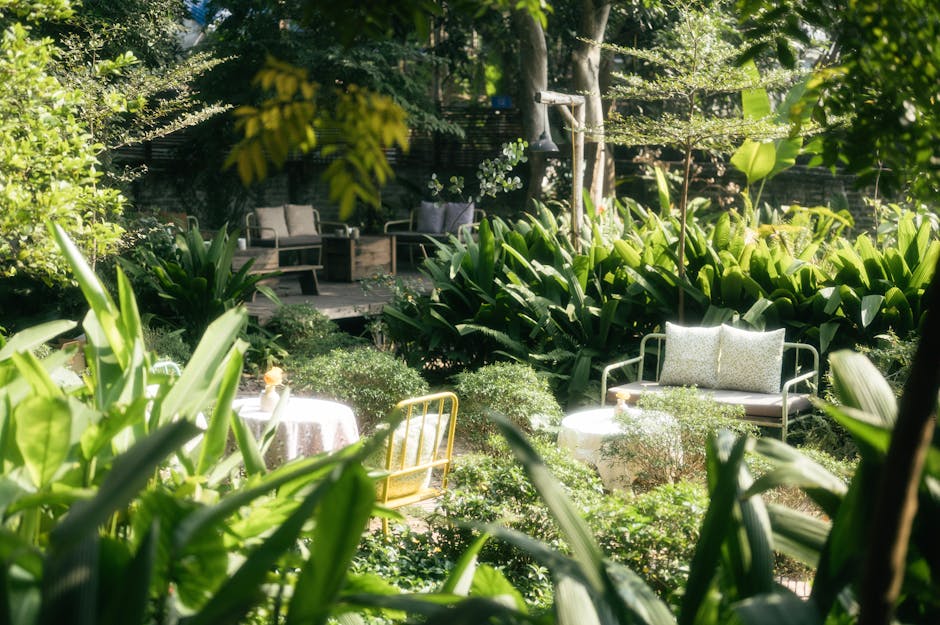
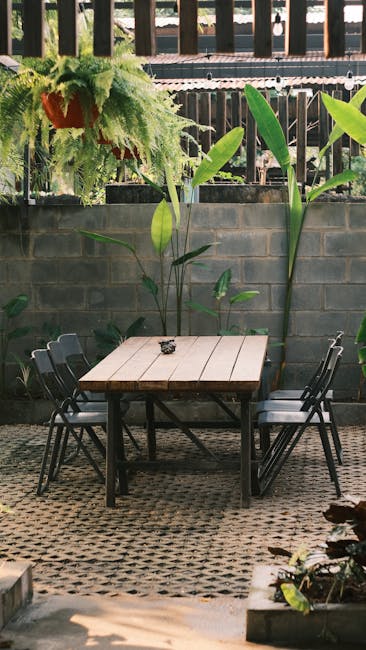
Picture a small brick-lined courtyard behind a terrace-style property in Aldgate. The space is narrow, shaded in the afternoon, and currently used for storage more than anything else. There is a patchy surface, a couple of tired containers, and not much privacy. Every time the back door opens, the owners feel slightly apologetic about the view. Not a great feeling.
The makeover approach in a space like this would usually focus on three things: simplification, softness, and structure. First, the clutter is cleared and the surface is assessed. If the paving is usable, it stays. If not, it gets replaced or repaired. Then a restrained planting scheme is added, likely with a mix of evergreen structure, shade-tolerant plants, and a few containers placed intentionally rather than scattered around.
A slim trellis or screen might be added to soften the walls and introduce height. A compact bench could sit in the best light. Then, if space allows, a small herb area or one feature planter gives the courtyard a sense of purpose. Nothing overdone. No trying to squeeze in a dining set that barely fits. The result is calmer, warmer, and easier to maintain.
That kind of project is a good example of why the best gardeners in Aldgate for small courtyard makeovers are often the ones who understand restraint. They know that in a tiny space, every choice is visible. So the design has to be neat, coherent, and honest. A garden like that can feel quietly impressive, which is often better than loud.
Practical Checklist
Use this checklist before you commit to a courtyard makeover. It saves time, and more than a little regret.
- Have you measured the space accurately?
- Do you know how much sun and shade it gets across the day?
- Is drainage working properly?
- Have you decided what the courtyard must be used for?
- Do you want seating, planting, privacy, or storage?
- Are the existing surfaces worth keeping?
- Have you chosen a style or palette that stays simple?
- Are the plants suitable for London conditions and limited space?
- Do you know how much maintenance you can realistically manage?
- Has the contractor discussed insurance, safety, and waste handling?
- Have you reviewed pricing and quote details carefully?
- Do you have a clear follow-up plan for watering and aftercare?
Quick reminder: if your shortlist is still forming, it is worth checking the company's health and safety policy and modern slavery statement as part of a wider trust check. It sounds formal, sure, but it tells you a lot about how seriously a business takes standards and responsibility.
Conclusion
A courtyard makeover in Aldgate does not need to be huge to be genuinely transformative. In fact, the best results often come from tight planning, thoughtful planting, and a design that respects the limits of the space rather than fighting them. If a gardener understands proportion, drainage, privacy, and maintenance, even the smallest courtyard can become one of the nicest parts of a home.
When you are choosing a team, look for more than a tidy portfolio. Look for practical judgement, clear communication, and a sensible approach to safety, pricing, and aftercare. Those things matter in real life. They matter especially in compact London gardens, where there is nowhere for sloppy work to hide.
So if your courtyard has been bugging you every time you look out the back door, take that as a signal. A small space can still feel generous, calm, and beautifully put together. Sometimes, all it takes is the right pair of hands and a little imagination.
Get a free quote today and see how much you can save.
Frequently Asked Questions
What makes a gardener good at small courtyard makeovers?
A good courtyard gardener understands space, scale, drainage, and planting behaviour in tight areas. They know how to avoid overcrowding and how to make a small space feel calm rather than cramped.
How long does a small courtyard makeover usually take?
It depends on the scope. A light refresh may take a short visit or two, while a fuller redesign can take longer if surfaces, screening, or planting changes are involved. Access and weather can also affect timing.
Can a courtyard still look good if it gets very little sun?
Yes. Plenty of gardens work well in shade or partial shade. The key is choosing plants suited to those conditions and using structure, texture, and light-coloured materials to keep the space feeling bright.
Is it worth investing in a full redesign for a tiny courtyard?
Sometimes yes, especially if the current layout is awkward or drainage is poor. If the underlying structure is sound, though, a partial makeover may give you a better balance of cost and impact.
What plants work best in a small London courtyard?
Plants with compact growth habits, good container tolerance, and shade or partial-shade resilience usually perform well. The exact choice depends on light levels, wind exposure, and how much upkeep you want.
How do I stop a small courtyard from feeling cluttered?
Use fewer materials, repeat colours and finishes, and avoid oversized furniture. Leave some breathing room. A little empty space is not wasted space; it is what makes the garden feel usable.
Should I ask about insurance before hiring a gardener?
Yes. It is sensible to ask about insurance and safety practices before work starts, especially if tools, access issues, or heavy materials are involved.
What is the most common mistake people make with courtyard gardens?
Trying to fit too much in. People often add too many planters, too much furniture, or plants that are simply too large for the space. The result is busy rather than beautiful.
Can a gardener help with maintenance after the makeover?
Often yes. Many clients prefer a follow-up care plan or regular maintenance visits so the garden settles in properly and stays looking sharp. That can make a big difference over time.
How do I compare quotes for a courtyard makeover?
Look beyond the headline price. Check what is included, whether waste removal is covered, how materials are specified, and whether aftercare is part of the plan. Clear quotes are usually easier to trust.
Do I need permission for a small courtyard makeover?
Many routine garden improvements do not require planning permission, but the details can vary if you are changing structures, shared boundaries, or drainage arrangements. If in doubt, ask a qualified local professional before starting.
What should I prepare before the first visit from a gardener?
Have the dimensions, photos, and any notes about sun, shade, and how you want to use the space. It also helps to mention what you dislike about the current courtyard, because that often reveals the real brief.
If you want a quieter, cleaner, more useful outdoor space, you are not asking for too much. A good courtyard makeover can do exactly that, and the result tends to be felt every day, not just admired once. That is the lovely part.