Aldgate High Street garden maintenance guide for terraces
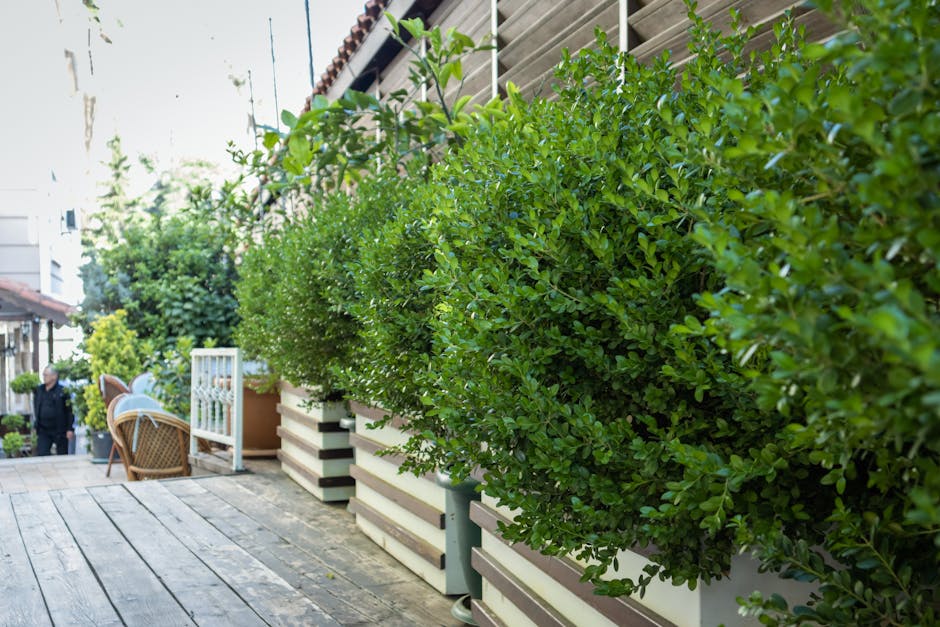
Terrace gardens on Aldgate High Street have their own rhythm. They're often compact, a bit exposed, sometimes shaded by tall buildings, and usually expected to do a lot in a small footprint. That means routine care has to be smart, not just frequent. This Aldgate High Street garden maintenance guide for terraces is written to help you keep a terrace looking sharp, healthy, and easy to live with, whether it's a few planters outside a flat, a roof-edge strip, or a narrow courtyard that catches the morning light and the odd gust of wind.
You'll find practical guidance on what actually works in a terrace setting, what tends to fail in London conditions, and how to keep maintenance manageable without letting things slide. If you're weighing up professional help, it also helps to know what good service looks like. For a broader view of available support, you can check the services overview and, if you're planning costs, the pricing and quotes page is a sensible place to start.
Truth be told, terrace maintenance is less about perfection and more about steady care. A ten-minute tidy can prevent a month of frustration. And in a city setting, that counts for a lot.
Table of Contents
- Why Aldgate High Street garden maintenance guide for terraces Matters
- How Aldgate High Street garden maintenance guide for terraces Works
- Key Benefits and Practical Advantages
- Who This Is For and When It Makes Sense
- Step-by-Step Guidance
- Expert Tips for Better Results
- Common Mistakes to Avoid
- Tools, Resources and Recommendations
- Law, Compliance, Standards, or Best Practice
- Options, Methods, or Comparison Table
- Case Study or Real-World Example
- Practical Checklist
- Conclusion
- Frequently Asked Questions
Why Aldgate High Street garden maintenance guide for terraces Matters
Terraces are deceptively demanding. They look small, but they pack in a surprising number of maintenance jobs: watering, pruning, sweeping, deadheading, checking drainage, feeding, repotting, and watching for wind damage. In a busy area like Aldgate High Street, that workload can build up quickly, especially if the terrace is used every day and exposed to traffic dust, shade from neighbouring buildings, or heat reflected from brick and glass.
The reason this matters is simple: terrace planting is usually under more stress than ground-level gardens. Containers dry out faster. Soil gets tired quicker. Plants compete for root space. One hot weekend, and a planter that looked fine on Friday can be limp by Monday morning. That's the reality. Not glamorous, but manageable.
Regular garden maintenance also protects the look and feel of the space. A tidy terrace feels more welcoming, easier to use, and less like a forgotten corner. For homes and managed properties alike, that can influence how the whole place is perceived. If you're responsible for a shared building or a block-managed outdoor space, it's worth thinking about maintenance as part of the building's overall presentation rather than an optional extra.
There's also a practical side. Healthy planting reduces plant loss, limits emergency replacements, and keeps the space safer by preventing overgrown pots, loose debris, and blocked drainage paths. And in London, where outdoor space is at a premium, even a small terrace can earn its keep when it's properly looked after.
Key takeaway: terrace maintenance is not about making a tiny garden look fussy. It's about keeping a small, exposed space healthy, tidy, and usable with the least possible drama.
How Aldgate High Street garden maintenance guide for terraces Works
Good terrace maintenance follows a simple pattern: inspect, tidy, correct, and protect. That sounds almost too neat, I know, but it works because terrace gardens reward consistency more than big occasional efforts.
Start by looking at the whole space. Check the plants, the surface, the containers, the drainage, and the edges where debris tends to collect. Then deal with the obvious jobs first: dead leaves, spent flowers, broken stems, weeds, and any pots that are drying out too fast or sitting in water. After that, move to the slightly less obvious tasks like pruning, feeding, replacing compost, and adjusting plant placement to suit light and wind conditions.
On terraces, maintenance is shaped by three local realities:
- Wind exposure: even moderate wind can tear leaves, topple pots, and dry out shallow containers.
- Shade and reflected light: tall buildings can create patchy light, so plants may need to be chosen and rotated carefully.
- Access and storage limits: you may not have room for bulky tools, spare compost, or lots of extras, so the system has to be efficient.
A good terrace maintenance routine is usually lighter and more frequent than a traditional garden routine. Think smaller jobs, done more often. That might mean a quick midweek water, a weekly tidy, and a monthly deeper check. If you're using professional support, most reputable providers will tailor the work to the layout and season rather than forcing a one-size-fits-all routine. You can see how that fits into broader lawn and garden support by browsing the full service range.
Sometimes people assume terrace care is all about plants. It isn't. The surrounding surfaces matter too. A terrace can look untidy simply because leaves have gathered in a corner, grit has blown into the joints, or overflow from pots has stained the paving. Small details, but they add up.
Key Benefits and Practical Advantages
A well-maintained terrace offers benefits that are both visual and practical. You don't need a huge garden to feel the difference. A neat, healthy terrace can genuinely change how a home feels day to day.
- Better plant health: regular care helps plants recover faster from weather changes and reduces stress.
- Cleaner outdoor living: less leaf litter, fewer weeds, and fewer clogged drains or planter trays.
- Lower replacement costs: replacing failed plants every few weeks is expensive and annoying.
- Improved safety: tidy surfaces reduce slips, trip hazards, and unstable pots.
- More usable space: if the terrace is clear and orderly, people actually use it more often.
- Better kerb appeal: especially useful for front-facing terraces, rental properties, and managed buildings.
There's another benefit that gets overlooked: maintenance gives you control. A neglected terrace often starts to feel like a series of little problems arriving all at once. A maintained terrace feels calmer. You notice issues early, which means fewer surprises later. To be fair, that is half the battle in a city where everyone is already busy.
If sustainability matters to you, maintenance also creates opportunities to compost green waste responsibly, reduce plant waste, and choose hardier planting schemes that need less intervention. For a more environmentally minded approach, the recycling and sustainability page is a useful companion resource.
Who This Is For and When It Makes Sense
This guide is for anyone responsible for a terrace garden in or around Aldgate High Street. That includes homeowners, renters with permission to maintain outdoor space, landlords, property managers, and businesses with small planted terraces or frontage planters.
It makes sense if any of these sound familiar:
- You have a small terrace that looks good for a week and then quickly gets messy.
- Your plants keep drying out, even when you water them.
- You want a tidy outdoor space but do not have time for long gardening sessions.
- You manage a building and need regular upkeep rather than one-off rescue work.
- You're unsure whether to maintain the terrace yourself or bring in help.
It also makes sense if the terrace is used socially. A small seating area can go from pleasant to awkward very quickly if pots are overgrown, compost spills onto paving, or a shrub starts blocking the natural flow of the space. Nobody wants to shuffle sideways past a rampant rosemary bush with a cup of tea in hand. Well, maybe some people do. Most don't.
For those deciding between self-maintenance and professional support, it's helpful to think in terms of time, confidence, and consistency. If you enjoy gardening and have a routine, small terraces are manageable. If the space is complex, elevated, or hard to access, professional support may be the safer and more reliable choice. In those cases, checking insurance and safety information is a sensible step before booking anyone to work on site.
Step-by-Step Guidance
Here's a practical terrace maintenance routine you can adapt through the year. Keep it simple. Simple usually lasts.
1. Begin with a quick visual survey
Walk the terrace and look for obvious issues: tired plants, dry compost, leaning pots, weeds in corners, blocked drainage holes, and dead foliage. If it's a morning check, you'll often spot overnight wind damage more easily because the light is softer and shadows make the problem areas stand out.
2. Clear debris first
Remove fallen leaves, spent flowers, broken twigs, and anything that could hold moisture against the paving. On terraces, debris tends to collect in corners, along edges, and around larger planters. Clearing it first makes the rest of the work easier and gives you a better view of the actual plant condition.
3. Check containers and drainage
Terrace plants usually live in pots, troughs, or raised planters, so drainage is everything. Make sure containers are not sitting in saucers full of water unless the plant genuinely needs that. Check that drainage holes are open and that water can escape properly after rain. If a pot feels oddly heavy for days, the compost may be holding too much moisture.
4. Water with attention, not habit
Watering should respond to the plant and weather, not just the calendar. A shaded terrace in spring may need little water, while a sunny, wind-exposed terrace in summer can need frequent attention. Water slowly so it penetrates the root ball rather than running straight through the pot. If the top looks dry but the lower compost is damp, don't overdo it.
5. Prune and deadhead
Trim damaged stems, remove spent flowers, and shape plants so they don't crowd walkways or seating areas. Light pruning helps terraces stay open and breathable. It also improves appearance without making the planting look harsh. The goal is usually balance, not neatness for its own sake.
6. Feed where needed
Container plants often need more feeding than in-ground planting because nutrients leach out faster. Use a suitable feed for the plant type and season, but avoid overfeeding. Too much fertiliser can push weak growth that looks lush for a while and then collapses at the first windy spell. Annoying, yes.
7. Refresh compost and mulch
Top up tired pots with fresh compost when needed, and use mulch where appropriate to slow moisture loss. On exposed terraces, a thin mulch layer can be very helpful. Just keep it away from stems and trunks where it could hold too much moisture.
8. Reposition plants to suit light and exposure
Move containers around if a plant is struggling with shade, glare, or wind. One of the advantages of terrace gardening is flexibility. If a fern is sulking in direct afternoon sun, move it. If a tender plant is getting battered at the edge, tuck it into a more sheltered spot.
9. Finish with the surfaces
Sweep the terrace, wipe down pots if needed, and check for slippery patches, loose soil, or blocked drains. A clean finish makes the whole space feel intentional rather than simply managed.
That's the core routine. Do it weekly in some form, with seasonal tweaks, and the terrace stays far more forgiving.
Expert Tips for Better Results
The best terrace gardens usually rely on small refinements rather than dramatic interventions. These are the bits that separate a merely tidy space from one that actually thrives.
- Choose heavier pots in windy spots. Lightweight containers look handy until a gust turns them into a problem.
- Group plants by water needs. It saves time and avoids the classic mistake of drowning one plant while another dries out.
- Use tough, terrace-friendly plants. Look for species that cope well with containers, drying winds, and partial shade.
- Rotate pots occasionally. This helps even out growth where light is directional.
- Build in a maintenance landing zone. A tiny storage box or shelf for gloves, secateurs, and feed makes everything easier.
- Watch the first signs of stress. Slight leaf curl, pale colour, or edge scorch often tells you more than a full collapse ever will.
One of the quieter tricks is to keep a "problem pot" note in your head, or on your phone if you're more organised than most of us. If the same container dries out every week, it probably needs a different plant, a different position, or a bigger pot. Repeated rescue work is rarely the best use of time.
If you're hiring help, ask how waste is handled and whether green waste is separated responsibly. A local provider with clear environmental practices will often align better with terrace maintenance than a one-off general clean-up crew. You can also review their health and safety policy for a better sense of working standards.
Common Mistakes to Avoid
Most terrace garden problems come from a handful of repeat mistakes. Happily, they're all fixable once you know what to look for.
- Overwatering: very common in containers, especially on shaded terraces where the top of the compost dries before the base does.
- Ignoring drainage: a planter without proper drainage can quietly ruin healthy roots.
- Using the wrong plants: a plant suited to open borders may struggle badly on a windy terrace.
- Letting maintenance stack up: once weeds, dead stems, and debris build up, the terrace becomes harder to reset.
- Overcrowding pots: too many plants in one container leads to competition, poor airflow, and more watering issues.
- Forgetting seasonal change: a terrace that works in May may need a different approach by August.
A subtle one is trying to make a terrace too elaborate. On a larger garden, complexity can be lovely. On a terrace, complexity can turn into extra labour with very little reward. Fewer, better-chosen plants often do more for the space than a crowded display that always looks slightly tired.
Another mistake is placing every plant for appearance first and maintenance second. If you can't easily reach the back of a planter, or you have to contort yourself to water it, that setup is going to annoy you. Probably sooner than you think.
Tools, Resources and Recommendations
You do not need a shed full of equipment to maintain a terrace well. In fact, space is often limited, so the best tools are compact, versatile, and easy to store.
| Tool or Resource | Best Use | Why It Helps on Terraces |
|---|---|---|
| Hand secateurs | Light pruning, deadheading, cutting back small stems | Precise, easy to store, and safer in tight spaces |
| Small watering can or hose attachment | Targeted watering | Helps avoid waste and overwatering |
| Compact broom or patio brush | Daily or weekly sweeping | Keeps paving clear without much effort |
| Gloves with grip | General maintenance | Useful for handling pots, thorny plants, and damp debris |
| Multi-purpose compost | Refreshing containers and top-ups | Supports healthier roots and better water balance |
| Plant labels or a phone note | Tracking watering and feeding needs | Helpful when several containers need different care |
If you are planning to outsource the work, look for a service that can handle ongoing maintenance rather than just occasional tidying. Some spaces need regular light visits, others need seasonal resets. If you need help with the process from start to finish, the pricing and quotes page gives a straightforward route into that conversation.
For clients who value clear communications or accessible service information, the site's accessibility statement may also be useful. It's one of those things people often overlook until they need it, then suddenly it matters a lot.
Law, Compliance, Standards, or Best Practice
Terrace garden maintenance is usually not heavily regulated in the way some construction or tree work might be, but there are still sensible standards to follow. The main areas are safety, access, waste handling, and making sure any work is carried out responsibly on private or shared property.
If the terrace is part of a managed building, check who is responsible for maintenance and whether there are access rules, building management requirements, or neighbour considerations. For example, working on an upper terrace may require extra care with tools, water runoff, and safe movement around edges. Nothing dramatic, just practical caution.
When contractors are involved, it is reasonable to ask about insurance, risk awareness, and how they work on site. A provider should be able to explain their approach in plain English. If that information is important to you, review their insurance and safety details before booking.
Waste disposal matters too. Green waste should be handled appropriately, and recyclable materials should be separated where possible. That reduces mess and keeps the maintenance routine more sustainable over time. You can read more about that approach via the sustainability page.
There is also a wider expectation of fair and ethical service delivery. For readers choosing a company, it is reasonable to look at general trust pages such as the modern slavery statement and the payment and security information. They may not be the first pages you think of for garden care, but they help build confidence in how a business operates.
Finally, if something goes wrong, a clear route for feedback is part of good service. That's why a visible complaints procedure matters. It's not about expecting problems; it's about knowing there's a sensible way to deal with them if they do appear.
Options, Methods, or Comparison Table
Different terrace setups call for different maintenance styles. Here's a simple comparison to help you decide what level of care fits your space.
| Approach | Best For | Pros | Limitations |
|---|---|---|---|
| DIY weekly maintenance | Small terraces, confident gardeners, flexible schedules | Low cost, full control, easy to adjust | Relies on your time and consistency |
| Monthly professional visits | Busy households, simple planted terraces | Helps keep standards steady without heavy involvement | May not be enough in peak summer growth |
| Seasonal tidy and reset | Terraces with low planting density or occasional use | Good for refreshes and larger cut-backs | Can allow smaller issues to build between visits |
| Bespoke maintenance plan | Busy properties, premium terraces, managed spaces | Most tailored, easiest to keep consistent | Usually the most involved option to arrange |
If you're unsure which method suits you, ask one simple question: how quickly does the terrace drift from tidy to tired? If it's a matter of days, not weeks, you probably need a lighter but more frequent routine. If it holds its shape well, a less intensive plan may be enough.
Case Study or Real-World Example
Here's a realistic example from a terrace-style setup that many Aldgate High Street residents will recognise. A compact courtyard terrace had three planters, one bench, and a narrow paved edge that collected leaves and grit every time the wind shifted. The owner kept watering everything on the same schedule, which seemed reasonable at first. But one planter sat in a bright spot, another stayed shaded for most of the day, and the third was exposed to wind between two walls. Same routine, very different results.
The bright planter dried out quickly and started looking tired by midweek. The shaded one stayed damp and developed messy growth at the base. The wind-exposed pot leaned, dropped leaves, and needed constant repositioning. The fix wasn't complicated. Watering was separated by container, the exposed pot was moved slightly inwards, and the shaded planter was pruned back to improve airflow. A weekly sweep removed grit before it collected at the edges. Nothing dramatic. Just sensible adjustments.
Within a few weeks, the terrace looked calmer and the maintenance burden dropped. Not because the plants became miraculous, but because the routine matched the space. That's the real lesson here. Terraces rarely need more effort than people think; they usually need better targeting.
Sometimes the smallest change is the one that makes the whole place feel easier.
Practical Checklist
Use this checklist to keep terrace maintenance on track through the week and across the seasons.
- Check all pots and planters for moisture levels.
- Remove dead leaves, flowers, and debris.
- Inspect drainage holes and saucers.
- Prune back damaged or overgrown stems.
- Deadhead flowering plants where appropriate.
- Reposition plants that are struggling with shade or wind.
- Top up compost or mulch if the surface is tired.
- Feed plants according to their season and type.
- Sweep paving and clear corner build-up.
- Check for slip risks, loose pots, or blocked run-off.
- Review whether the current routine is realistic for the time you actually have.
Quick rule of thumb: if your terrace looks great after maintenance but falls apart within a week, the routine needs adjusting, not your standards. That's a useful distinction, and one people often miss.
Conclusion
Terrace gardening on Aldgate High Street is all about finding the sweet spot between beauty and practicality. With limited space, changing light, and exposed conditions, the best maintenance approach is usually steady, simple, and responsive. Keep an eye on water, drainage, pruning, and surface cleanliness, and your terrace will stay easier to live with and much better to look at.
If you remember only one thing from this Aldgate High Street garden maintenance guide for terraces, let it be this: small, regular care beats occasional rescue work nearly every time. A few minutes here and there really do add up.
And if your terrace has become one of those jobs you keep meaning to sort out, that's fine. It happens. Start with the next smallest task, then the one after that. The space will come back to life sooner than you think.
Get a free quote today and see how much you can save.
Frequently Asked Questions
How often should a terrace garden be maintained?
Most terrace gardens benefit from light weekly maintenance, with quicker checks during hot, windy, or very wet weather. In summer, some pots may need attention more than once a week, especially if they sit in full sun.
What is the best way to water terrace plants?
Water slowly and directly at the base of the plant so the compost can absorb it properly. Avoid splashy, surface-only watering, because it often runs straight through the pot without reaching the roots.
Why do terrace plants dry out faster than garden beds?
Containers have less soil volume, and terrace spaces are often more exposed to wind, reflected heat, and direct sun. That combination makes moisture disappear faster than it would in a ground-level border.
Which plants usually work best on a terrace?
Hardier container plants, compact shrubs, herbs, and species suited to local light conditions usually do best. The right choice depends on whether the terrace is shady, sunny, or windy. There is no perfect plant for every terrace, annoyingly.
Can I maintain a terrace garden myself or should I hire help?
If the terrace is small and straightforward, DIY maintenance is often manageable. If the space is elevated, awkward to access, heavily planted, or needs regular tidying, professional help can save time and reduce risk.
How do I stop terrace pots from becoming waterlogged?
Make sure every pot has proper drainage holes, avoid leaving them in standing water, and use compost that suits container planting. If a pot keeps staying wet, it may need repositioning or repotting.
What should I look for in a terrace maintenance service?
Look for clear communication, relevant experience, sensible scheduling, and basic trust signals such as insurance, safety awareness, and transparent pricing. A service that understands compact outdoor spaces is usually a better fit than a generic one-off garden clearance.
Is terrace garden maintenance expensive?
Costs vary depending on the size of the terrace, the amount of planting, how often work is needed, and whether the job is a tidy-up or ongoing care. It is usually best to ask for a tailored quote rather than guess. The pricing and quotes page is a useful starting point.
How can I keep a terrace looking good between visits?
Focus on the basics: remove dead material, check water, sweep the surface, and keep an eye on the most exposed plants. A five-minute reset can make the terrace feel much more manageable between deeper maintenance sessions.
What seasonal changes matter most for terrace gardens in London?
Spring often brings fresh growth and feeding needs, summer usually means extra watering, autumn brings leaf build-up, and winter makes drainage and wind protection more important. The terrace changes character through the year, so the routine should change too.
Do I need to worry about safety during terrace maintenance?
Yes, especially on upper-level spaces, shared access areas, or terraces with slippery surfaces. Safe movement, sensible tool use, and awareness of edges or trip hazards are all part of good practice. If a contractor is involved, their health and safety approach matters.
What happens if I am unhappy with a service visit?
A reputable provider should have a clear way to deal with concerns. It helps to know the process before you book, which is why a published complaints procedure can be reassuring.
Can terrace maintenance be more sustainable?
Yes. You can reduce waste by choosing long-lived plants, composting green material where appropriate, and buying only what the terrace genuinely needs. Small, regular care is often more sustainable than repeated plant replacements.
Where can I find more information about the business behind these services?
You can start with the main homepage and then look through the service, safety, and sustainability pages to get a better feel for how the business works and what support is available.